
Multi-method marketing measurement combines econometrics, experimentation, and machine learning because no single method alone answers every question. This matters because historical data alone can’t reveal what happens if a brand stops advertising, so experiments fill the gap. Without that combination, marketers risk misapplying sophisticated tools, especially when top-line and bottom-line effects get blurred together. This video explains why marketing analytics is heading toward a combined approach, not one dominant method.
Why Multi-Method Marketing Measurement Is Replacing Single-Tool Attribution
Multi-method marketing measurement is replacing single-tool attribution because as measurement techniques have grown more sophisticated, from barcodes to Marketing Mix Modeling to Multi-Touch Attribution, the risk of misusing or misreading any one of them has grown right along with them. In this conversation, LiftLab’s Jon Lorenzini talks with Dr. Dominique Hanssens, Distinguished Research Professor of Marketing at UCLA, about what practitioners should keep, drop, or rethink as measurement methods have evolved. Hanssens points first to a basic but often-missed distinction: separating top-line from bottom-line marketing results.
He also makes the case for experimentation as a way to fill gaps that historical data simply can’t answer, such as what would happen if a brand paused advertising altogether. Since brands are often too nervous to test that nationally, a small-market pause can reveal how much of a brand’s sales come from underlying brand strength versus active marketing, without risking real revenue. Hanssens argues the field is moving toward combining econometrics, experimentation, and machine learning together, though real ambiguity remains around how to properly weigh short-term versus long-term results.
In this video, you’ll learn:
The importance of distinguishing between top-line and bottom-line marketing results
Why relying solely on historical data can be misleading and why experimentation is necessary to uncover true brand effects
How to design safe experiments, such as testing in small markets, to measure the impact of pausing advertising without risking significant revenue
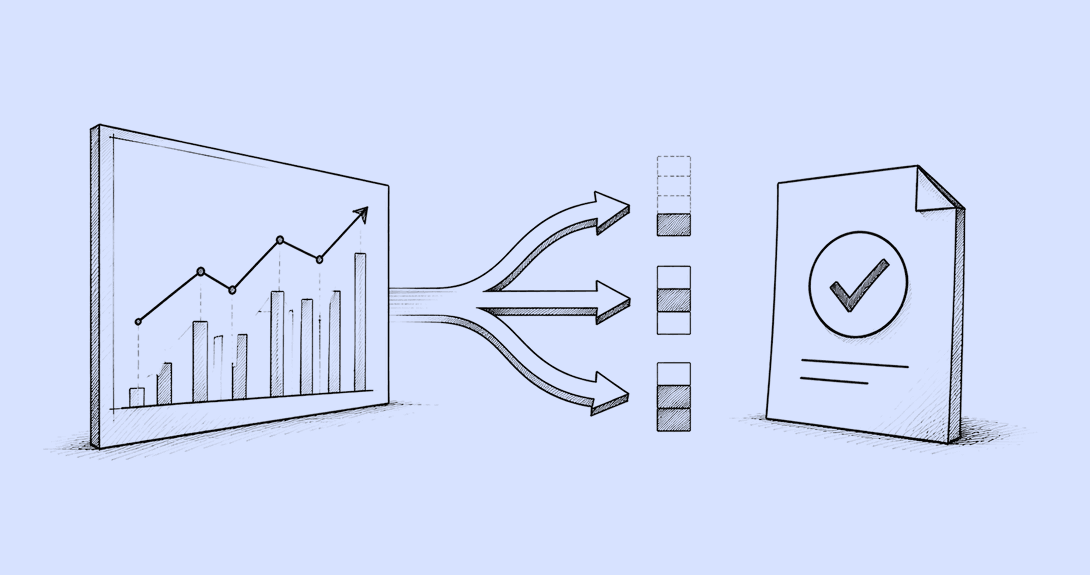
The power of a multi-method approach that combines traditional econometrics with modern experimentation and machine learning
TIME STAMPFull Video Transcript: Multi-Method Marketing Measurement Explained
+–
LiftLab’s Jon Lorenzini talks with Dr. Dominique Hanssens about why marketing measurement is moving toward a multi-method approach that combines econometrics, experimentation, and machine learning.
[0:00 – 0:28] Reflecting on Measurement Evolution
[Jon Lorenzini]: Mike, since you have seen longitudinally a whole bunch of different changes between barcodes to MMM to last click to MTA, sort of the path back to MMM, what do you think are the sort of hangovers, relics, things you would want the industry or practitioners of measurement to know, to say hey keep doing this, stop doing this, or anything in between?
[0:28 – 1:02] The Need for Methodological Precision
[Dr. Dominique Hanssens]: It is a very good question. So I would say I would point mainly into the need to use these methods correctly because they are no longer simplistic. This is getting sophisticated, and when things are getting sophisticated, you run into the potential for misuse or misunderstanding what the results really mean. For example, it is very important to make the distinction between top line versus bottom line, the results of marketing, and not all companies do that correctly.
[1:02 – 1:58] The Role of Experimentation
[Dr. Dominique Hanssens]: It is also very important to understand, this is what LiftLab is, when is it that you need an experiment? You need an experiment, for example, when there is something you want to try out but you have never done it before, so there is no data. I see in a lot of the LiftLab data, for example, I see that they always advertise online, sometimes more than, sometimes less. But then if you are always advertising, you do not know what would happen if you stopped advertising. But companies are very reluctant to do that because they are afraid of losing money. But maybe with an experiment, or maybe a small market, when you say okay, I want to stop advertising there for a month, in a small market you will not lose your shirt. But we learn about how much of the sales results that you get are due to the strength of your brand versus how much do you need to augment that with various forms of communications.
[1:58 – 2:58] A Multi-Method Future for Marketing Analytics
[Dr. Dominique Hanssens]: There are many other examples like that, but the experiments are actually wonderful to fill the holes in the data, if you wish. And as a result, we are going in a direction I would say where we combine different methods. Experimentation is one method, econometrics is another method. Now we have all the machine learning which takes advantage of computer tools to actually very rapidly update the results. So it is clearly a world in which there is a combination of methods that will do well. And my hope is that it gets applied to the right metrics. You know, we will talk about this at some point, but should you look at short term results? Should you look at long term results? There is a great deal of ambiguity around that. So those are some questions that I think point to a very interesting future for marketing analytics in which certainly not all problems have been solved. But the data are great, the software that we have now is great. It is sort of awaiting the correct use with the multi-method approach to solve important marketing problems.
Key Lessons: Building a Multi-Method Marketing Measurement Framework
The core lesson is that sophisticated tools raise the stakes for misuse, so a multi-method framework needs deliberate, correct application, not just adoption.
The necessity of methodological precision: Sophisticated analytics tools are prone to misuse. Practitioners must ensure they are applying the right models to the right problems to avoid misinterpreting outcomes.
Bridging data gaps with experimentation: When historical data shows a constant pattern, such as always advertising online, companies cannot see the intrinsic value of their brand. Controlled experiments are essential to fill these data gaps and isolate the true effectiveness of marketing spend.
The future is multi-method: No single tool is a silver bullet. The future of the field relies on integrating econometrics, experimentation, and AI-driven machine learning to update results rapidly and capture performance from every angle.
Balancing metrics: There remains a critical ambiguity in the industry regarding the focus on short-term versus long-term results. Successfully navigating this balance is a primary challenge that will define the next generation of marketing analytics.