The problem

Your Model Is Optimizing for the Wrong Horizon 

You made the rational call. You hit your ROAS targets. The model agreed. But CAC is still climbing, market position is eroding, and the growth you expected never arrived. The culprit? A structural blind spot is baked into almost every marketing mix model in use today.

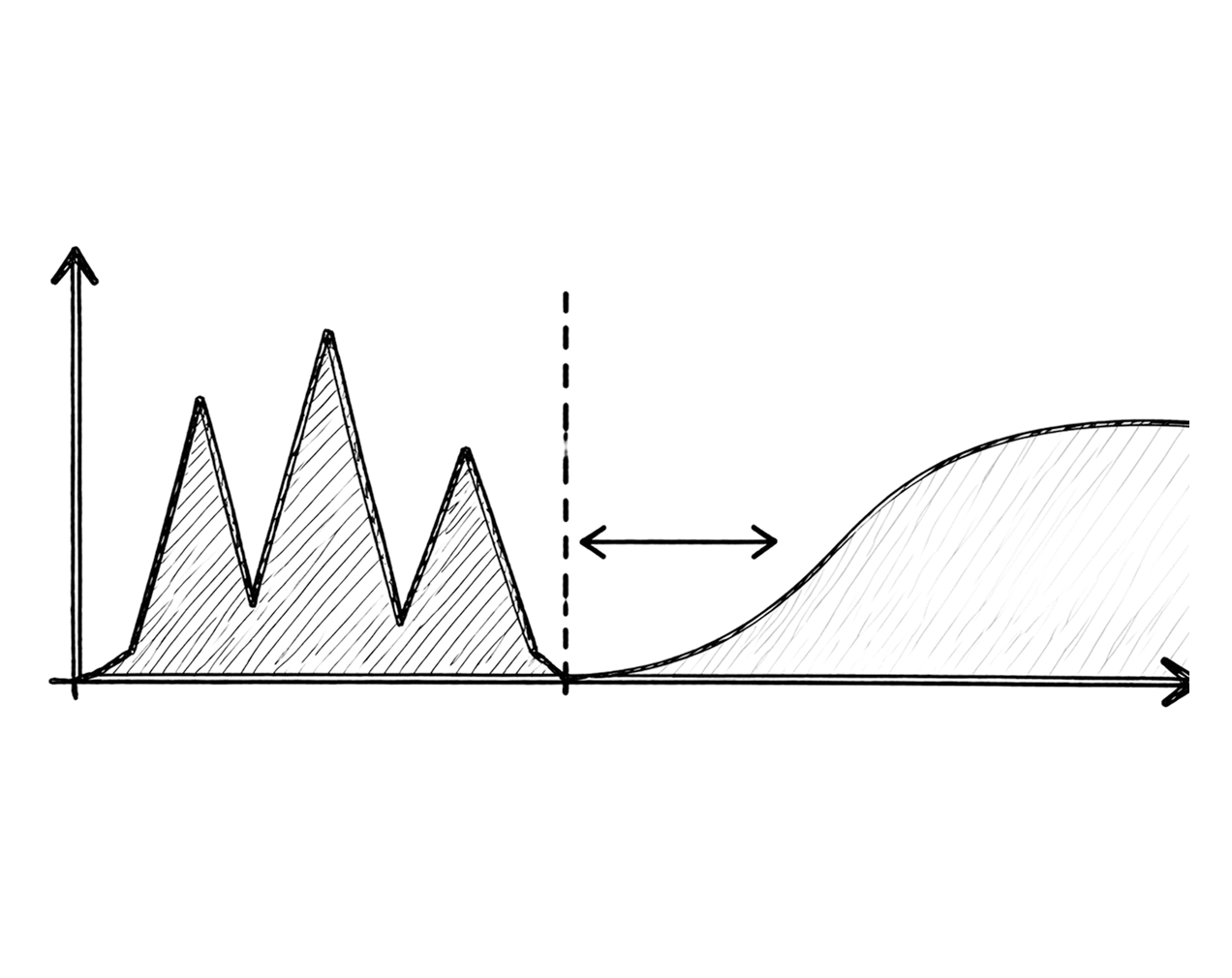
Traditional MMM captures what's measurable in a weekly window, but long-term brand effects compound over quarters, not days. When your model can't see them, it quietly rewards decisions that undermine your brand, and then prescribes even more lower funnel spend to compensate.

Signs your MMM is leaving growth on the table:

  • Geo tests show brand lift, but your MMM doesn't confirm it.
  • Attribution caps at 30 days. Brand compounds over quarters.
  • Conversion softens 90 days after a brand budget cut. No one connects it.
  • CAC keeps climbing. The model says: go lower-funnel. You comply. It climbs more.

Free · Instant Access

Watch the On-Demand Webinar 

Watch it before your next planning cycle.

By submitting, you agree to LiftLab's Privacy Policy.
  • 52 min recording
  • Instant access

What you’ll learn

Five Things This Webinar Will Change About How You Run MMM

Dr. Koen Pauwels, Athena Dai, and Dirk Beyer cover the theory, the evidence, and the practical path forward, in plain language.

  • Data Problem

    Why long-term brand effects are invisible to standard MMM

    Understand the structural reason weekly models can't capture brand compounding, and why this isn't a data problem you can fix with more data.

  • Brand Equity

    The real cost of optimizing for short-term ROAS alone

    Learn how over-indexing on performance signals drives up CAC, weakens baseline sales, and erodes long-term brand equity on the P&L.

  • Lifecycle

    How LT multipliers quantify a brand's NPV contribution

    Discover LiftLab's approach to establishing the net present value of long-term advertising effects, calibrated to your brand, lifecycle, and funnel stage.

  • Budget Optimization

    What 30 years of research across 1,000+ brands tells us

    Dr. Pauwels synthesizes three decades of marketing science into actionable multiplier logic that can be embedded directly into budget optimization.

  • Brand Investment

    How to build a balanced ST/LT portfolio and defend it to the CFO

    Walk away with a framework for presenting short-term and long-term returns side by side, making the brand investment case with hard numbers.

Liftlab's approach

Full-Funnel MMM That Sees Both Horizons

LiftLab's platform measures short-term advertising effects, establishes the NPV of long-term contributions using calibrated LT multipliers, and continuously optimizes your portfolio across both.

Measure short-term advertising effects

Regression models and incrementality experiments capture what's happening today, at the channel, tactic, and funnel level, with daily precision.

Establish NPV of long-term contributions

LT multipliers quantify the brand's compounding value, calibrated to your market position, brand lifecycle, product category, and funnel position of each ad tactic.

Optimize the full-funnel portfolio

Budget recommendations use total advertising effect (ST + LT) as the objective function, balancing short-term returns with long-term brand equity compounding.

Frequently Asked Questions

Long-term brand effects refer to the cumulative, lagged impact of brand advertising on consumer behavior, including increased willingness to pay, higher baseline conversion rates, and lower customer acquisition costs, that unfold over months and quarters rather than days. Standard MMM, which typically runs on weekly data windows, cannot directly observe these effects because the signal is too slow-moving relative to the noise in firm-level data. LiftLab addresses this by applying calibrated long-term multipliers to quantify the NPV of the brand's contribution alongside short-term performance metrics.

Watch Before Your Next Planning Cycle

52 minutes. Decisions that compound for quarters.
About Cta Bg Mobile - Footnote