Why Average ROAS Hides Diminishing Returns.

Basic attribution dashboards treat all spend as equal. Average ROAS stays "healthy" even as incremental returns collapse. Teams scale their "top channels" with confidence until CAC spikes and growth plateaus.

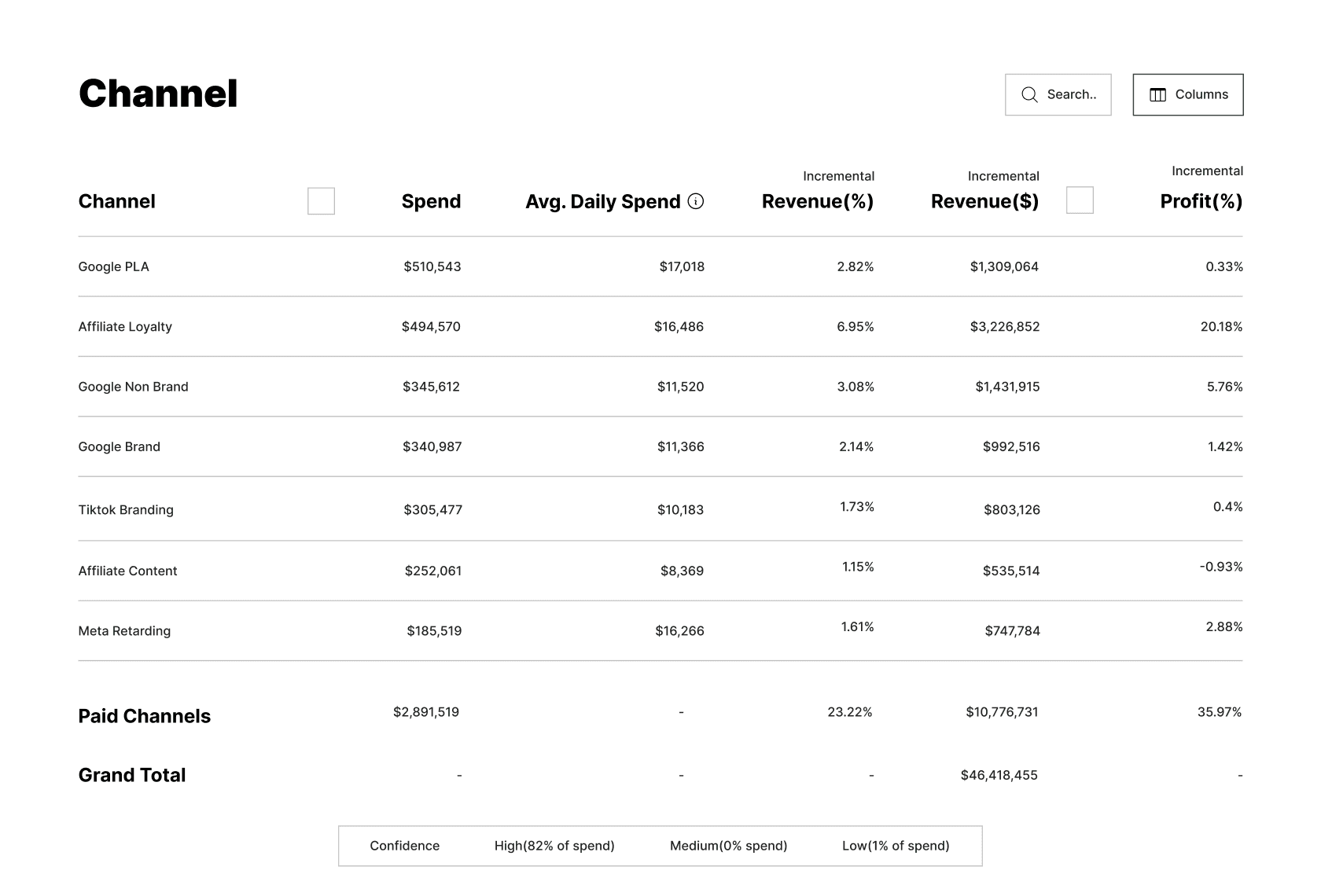
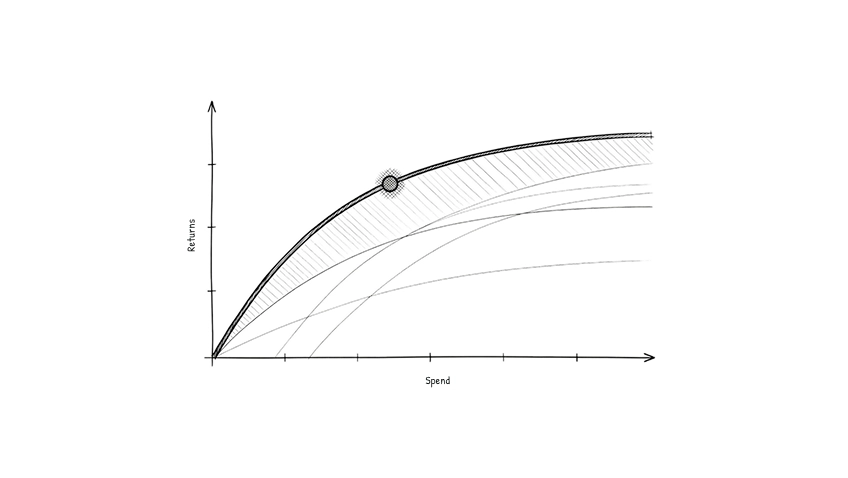
By the time average ROAS finally drops, you've already lost thousands in the flat, saturated part of the curve. The key question is not "What did our ROAS average?", but "What will our next dollar actually yield?" This distinction drives real marketing ROI optimization instead of expensive stagnation. The gap between those two questions is where budgets stall, and where LiftLab operates.

Why ROAS Leads To Overspending

The real cost of ROAS isn't what it misreports. It's what it normalizes. By the time average ROAS reflects saturation, the compounding damage, rising CAC, stalled growth, and misallocated brand investment have already been running for quarters.

Problem

  • ROAS obscures diminishing returns because, on average, it does not indicate when performance plateaus.

The Right Question

  • LiftLab answers the question most dashboards never ask: what will the next dollar actually return at today's spend level?

Consequence

  • Overspending in saturated channels raises CAC and erodes payback period. By the time it shows in reporting, you've funded the problem for at least one full planning cycle.

Common ROAS Traps

Scaling the "winner" without assessing marginal returns.

You increase Paid Search investment because ROAS appears strong, without recognizing that you exceeded the diminishing returns threshold two budget cycles ago. The channel is not underperforming; it is simply saturated.

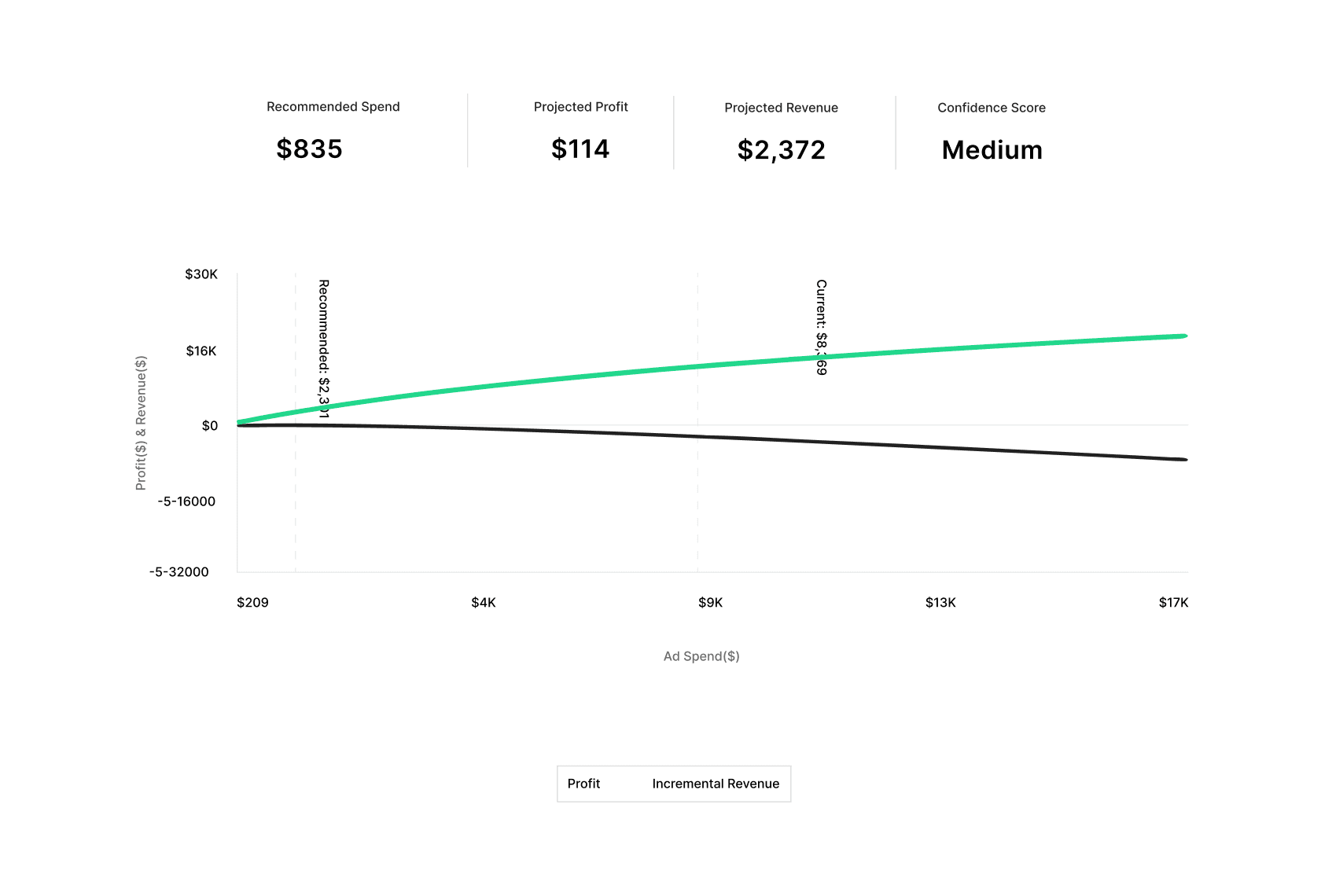
LiftLab's response curves show exactly where the saturation threshold sits before you cross it

Cutting brand investment to "protect ROAS."

Performance metrics remain stable in the short term. However, after six months, demand generation declines, new customer acquisition becomes more difficult, and marketing ROI quietly deteriorates. This is not due to reduced spending, but to ineffective resource allocation.

LiftLab quantifies the brand's long-term contribution to the P&L, giving Finance the evidence to protect it.

Treating platform attribution as incrementality

Google reports a 4x ROAS, which you accept. However, the next holdout test reveals a different outcome. Without effective marketing performance optimization, you risk optimizing for a metric rather than actual results.

LiftLab separates platform-reported attribution from causal incrementality, so you're optimizing for reality, not a vendor's reporting window.

How Marginal ROI Optimization Works

Most tools track where your budget was spent. LiftLab identifies where your marketing investment stops delivering results and pinpoints where to reallocate funds for maximum ROI.

Build Accurate Response Curves

LiftLab's PlatformSense layer separates ad-auction cost dynamics from true consumer response, eliminating the noise that causes most models to misread saturation. The result is a response curve that reflects real buyer behavior rather than marketplace volatility.

Pinpoint Saturation Zones

LiftLab surfaces the exact point where each channel's returns flatten, before CAC climbs. You see your actual Marginal ROI at current spend, so scaling decisions are made on evidence, not optimism.

Reallocate With Guardrails

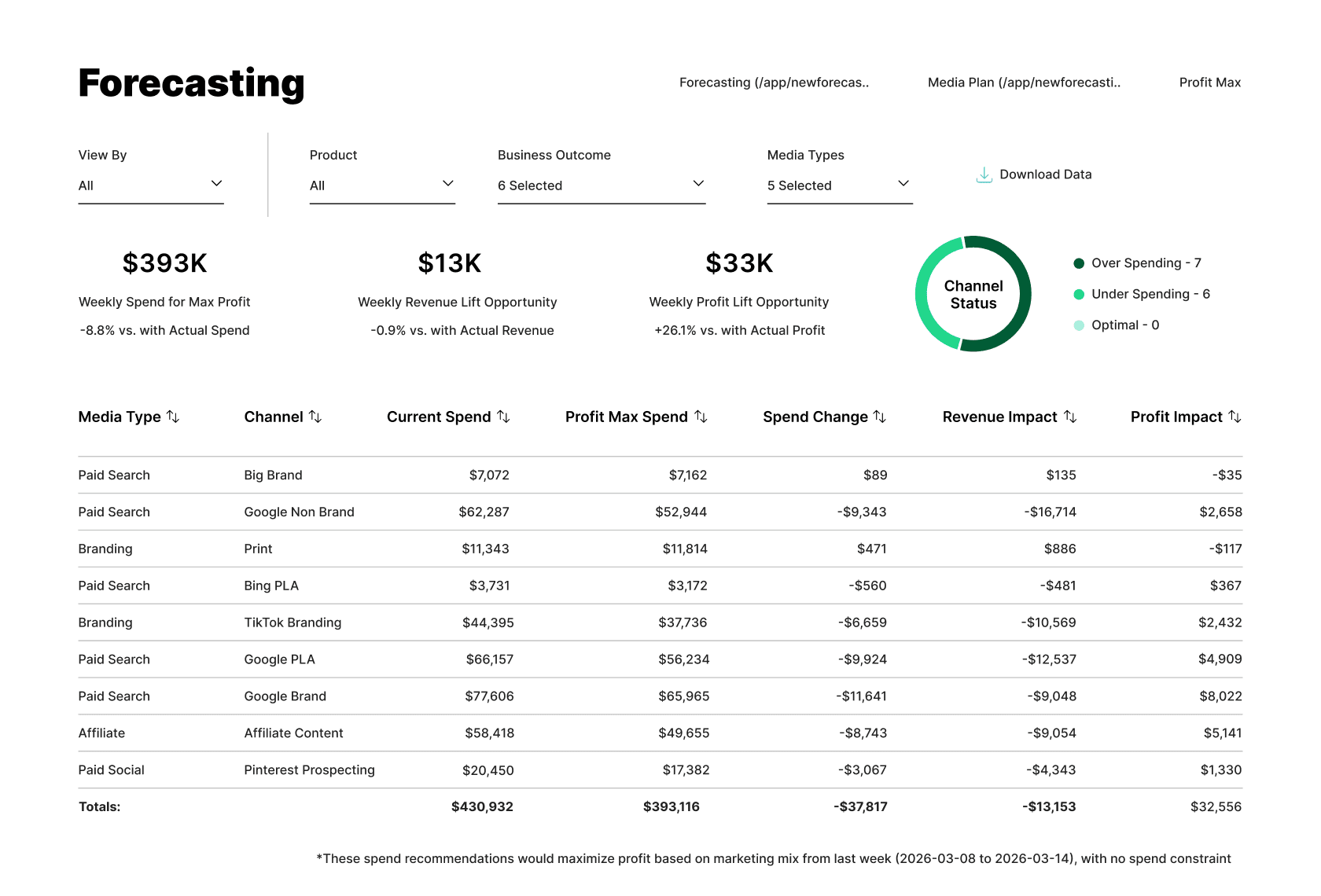
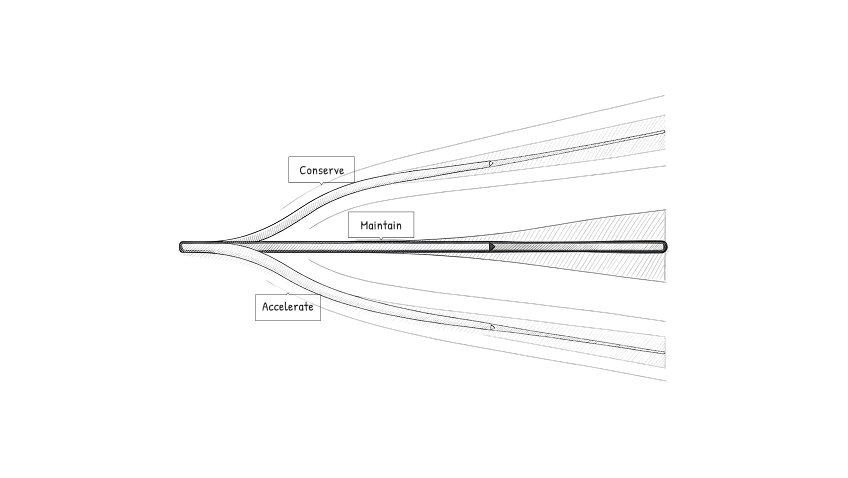
LiftLab generates specific reallocation recommendations, shift 10% from Paid Search to Retail Media, with stop-loss triggers built in to prevent overcorrection. Every move is bounded, monitored, and designed to compound.

Book Your Personalized Marginal ROI Demo

Diminishing Returns & Marginal ROI Outputs

  • Response Curves & Saturation

    Response Curves & Saturation

  • Reallocate With Guardrails

    Reallocate With Guardrails

  • Marginal ROI at Current Spend

    Marginal ROI at Current Spend

When To Move Budget

Do Any of These Sound Familiar?

  • CAC increases as spending grows, even when return on ad spend appears stable.
  • The leading channels remain unchanged each quarter, which often indicates unexamined and diminishing marginal returns.
  • Growth stagnates despite reports of efficient performance.
  • A platform algorithm changes or promo cycle just shifted your numbers, and you can't tell how much of the impact was real versus noise.
  • You can't confidently answer where the next 10% should go. That's not a data problem. That's an unmanaged marginal ROI problem.

What You Need to Get Started

Minimum

  • Weekly spend by channel + a primary KPI outcome + calendar marker.

Helpful

  • Promo depth/pricing, offline outcomes, retail media signals, and constraints list.

How We Work With You After

  • Identify diminishing returns risk across your top spend channels.
  • Generate 2–3 reallocation options with ranges and guardrails.
  • Execute one controlled move, monitor, then iterate.
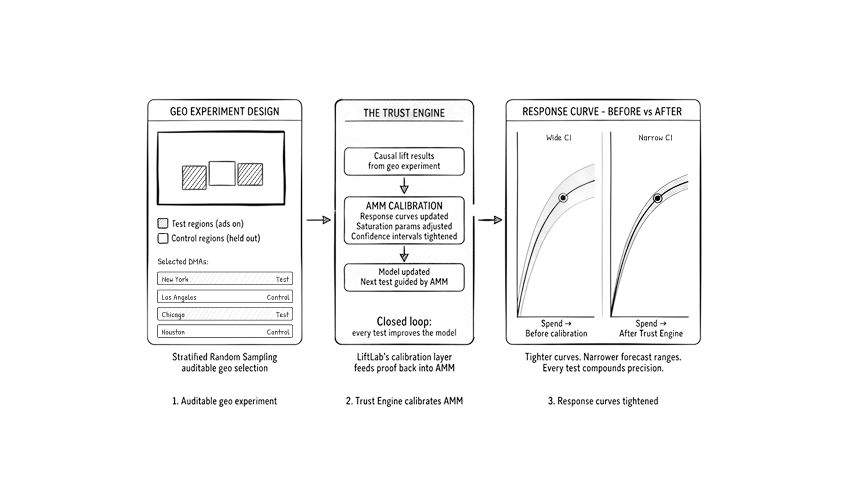
  • Prioritize 1–2 incrementality tests where uncertainty is highest, feeding results back into LiftLab's Agile MMM so every reallocation cycle compounds on the last.

Start small. One move, one monitoring plan.

Frequently Asked Questions

Diminishing returns occur when each additional dollar in a channel generates a smaller result. Early spend reaches engaged audiences efficiently. As budgets grow, those audiences exhaust, and costs rise to reach less-responsive segments. Average ROAS stays healthy while real returns quietly collapse. Identifying the curve before it flattens is what separates efficient scaling from expensive stagnation.

Go Deeper