Marketing effectiveness improves when brand, agency, and measurement responsibilities are clearly split across three parties instead of overlapping. The brand and agency own the what and how, while an independent measurement partner answers how much to spend and generate. Without that measurement layer, agencies hesitate to fund top-of-funnel media, unsure the extra spend pays off. This video explains how weekly three-party meetings turn that uncertainty into confident, efficient scaling decisions.
Why Marketing Effectiveness Depends on a Three-Party Brand, Agency, and Measurement Model
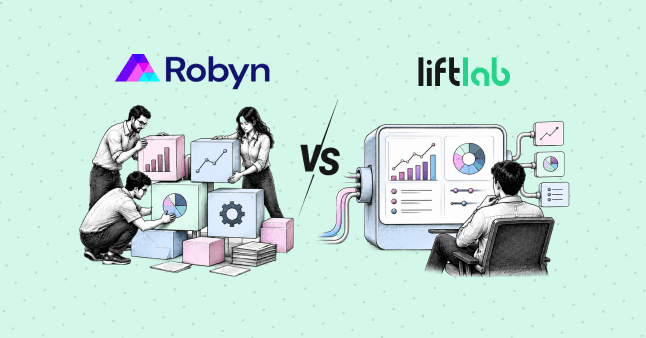
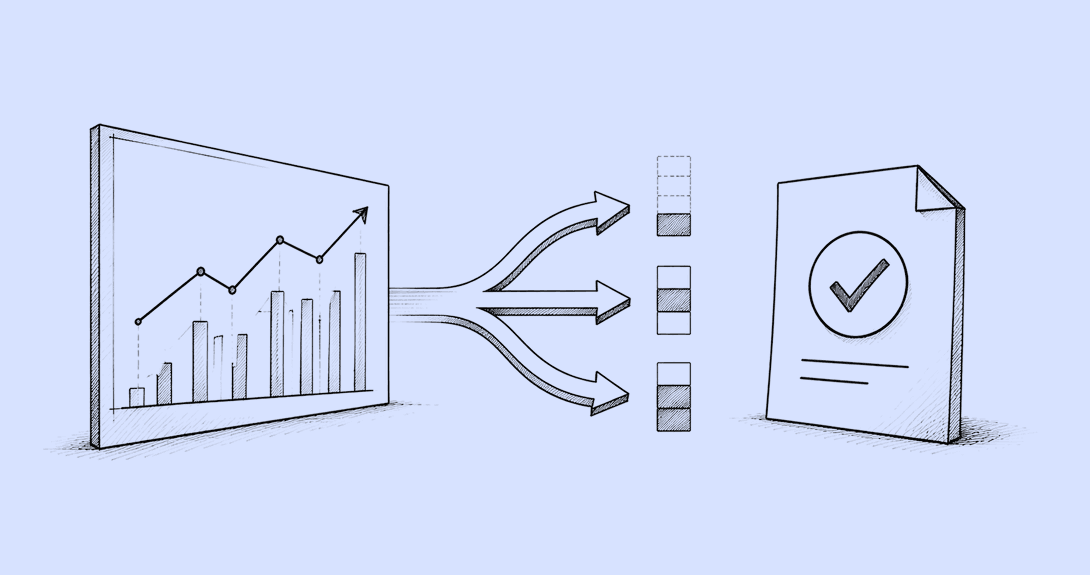
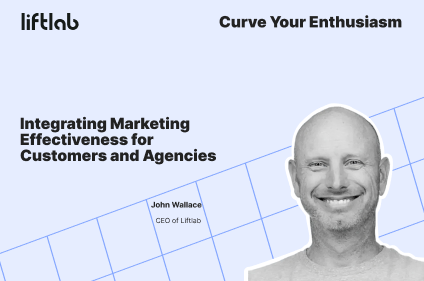
Marketing effectiveness depends on a clear three-party model, because brand, agency, and measurement each answer a different question, and blending those roles is where confidence in spend breaks down. In this video, John Wallace, CEO of LiftLab, explains how the arrangement works: the team that owns the marketing P&L and the agency shaping the media plan own the “what” and the “how,” while LiftLab owns the “how much,” meaning how much to spend and how much revenue that spend will generate.
He describes this as a high level of collaboration rather than a source of tension, built around weekly meetings where brand, agency, and LiftLab align on where spend can grow the top line efficiently. Agencies that recognize this shared incentive tend to lean into the process, since a confident, evidence-backed answer on efficiency is what lets many DTC brands finally fund top-of-funnel media without hesitation.
In this video, you’ll learn:
How the three-party model (brand, agency, LiftLab) functions to align marketing strategy with measurable outcomes
Why defining the “how much,” spend versus generated revenue, is critical for effective media planning
How LiftLab facilitates confident top-of-funnel investment for DTC brands
The process for integrating data and maintaining collaborative weekly meetings
TIME STAMPFull Video Transcript: The Three-Party Marketing Effectiveness Model Explained
+–
LiftLab CEO John Wallace explains how brands, agencies, and LiftLab work together in a three-party model to align marketing effectiveness measurement with agency strategy.
[0:00 – 0:35] The Three-Party Agreement
Marketers often ask how their agency is going to work with LiftLab. This becomes a three-party arrangement: the team that owns the marketing P&L, the agency who is contributing heavily to the shape of the media plan and the strategy, and LiftLab for the measurement. I simplify it to: the marketers and the agency own the “what” and the “how,” and LiftLab is about the “how much.” When we say “how much,” we are talking about money, how much we are going to spend and how much we are going to generate, which is in everyone’s interest.
[0:35 – 2:07] Collaborative Meetings and Strategy
Agencies are in many cases involved in weekly meetings with the brand and LiftLab. What we are looking for is an agreement on where they can spend so that it will increase the top line and revenue in an efficient way. As long as the agency has that in mind as part of their goals and recognizes this is what motivates the brand to grow and keep them on, we are all going to get along very well. It is a high level of collaboration. Agencies look forward to this three-party meeting; they will be there with their shared customer, the brand, and us. We are all there looking at the “how much,” how much to spend and answering the question: will it increase the top line and will it do it efficiently? One comment I have heard from an agency is: “What we like about LiftLab is it lets our brands spend more confidently on top-of-funnel media.” This is an age-old problem between brands and agencies where, without the answer that we can do it efficiently, there is hesitation with many DTC brands to properly fund the top of funnel. It’s just an example of the type of material we’re covering in these three-party meetings which tend to benefit all the parties.
[2:08 – 2:46] Implementation and Referrals
The brands are going to contract with LiftLab to put their data into the platform, but they are their own user administrators and they add their agencies as soon as they are ready. We have collaboration when agencies really catch on to how LiftLab works and how it can be in their interest as well as their brand’s interest; they tend to reach out to us and make referrals. It is the ultimate flattering form of approval, “Can you talk to one of our other customers?” That is how you grow a software business, because the software works and people are willing to use it in other accounts and make those introductions.
[2:47 – 3:11] Agency Roles and Efficiency
We don’t get to take any credit for all the hard work that agencies do; they continue to assume that role. We are there to help them recognize where the ad platforms have room to continue to grow for that brand and where the ad platforms might not, not that you would stop using an ad platform, it is just identifying the portions of spend that are not efficient and liberating them to move over to where they can be more effective.
Key Lessons: Building Agency Collaboration Around Marketing Effectiveness Measurement
Collaborative efficiency: The model replaces traditional tension with a shared focus on revenue-driven performance, where agencies handle strategy and LiftLab provides data-backed measurement.
Confidence in scaling: Data-driven insights allow agencies to fund top-of-funnel media more aggressively, overcoming the common hesitation to invest in broader awareness campaigns.
Non-disruptive partnership: LiftLab complements the agency’s hard work rather than taking credit, focusing on identifying inefficient spend to reallocate towards higher-performing channels.
Growth-oriented relationships: Successful collaboration often leads to referrals, as the value of the software becomes clear through tangible, efficient results.