
A marketing effectiveness solution should be judged on profitability, not price, since the cheapest option rarely wins. This matters because integrated platforms that combine marketing mix modeling with automated experimentation remove the need to stitch results together. Without that integration, teams lose time reconciling mismatched data and miss small gains that add up on any media budget. This video explains what to look for when evaluating a marketing effectiveness solution.
Why the Cheapest Marketing Effectiveness Solution Isn’t the Most Profitable One
The cheapest marketing effectiveness solution isn’t the most profitable one, because a small percentage improvement in media plan performance is usually worth far more than any price difference between vendors. In this video, John Wallace, CEO of LiftLab, lays out three things worth evaluating: whether a platform integrates an agile mix model with automated experimentation instead of requiring you to buy them separately and stitch the results together, whether it accounts for the specific details of your audience, price point, promotional strategy, and seasonality, and how much net value even a marginal improvement could unlock across your media plan.
Wallace notes that finding just 1% more performance across a $5 million or $50 million media plan quickly outstrips any price difference between vendors in the market, which is why profitability, not sticker price, should drive the decision.
In this video, you’ll learn:
Why choosing the most profitable solution is more important than simply opting for the least expensive option
The competitive advantage of using a dual-power approach that combines agile marketing mix modeling with automated experimentation
How deep data integration helps teams anticipate complex business questions
The financial impact of securing even marginal improvements in media plan performance
TIME STAMPFull Video Transcript: How to Choose a Marketing Effectiveness Solution Explained
+–
In this video, LiftLab’s CEO John Wallace breaks down what actually separates a valuable marketing effectiveness solution from the rest of the market.
[0:00 – 0:06] Selecting a Marketing Solution
If you are looking at marketing effectiveness solutions, I think you should choose the most profitable one, and along with that comes some expense.
[0:06 – 0:19] The Dual Power Approach
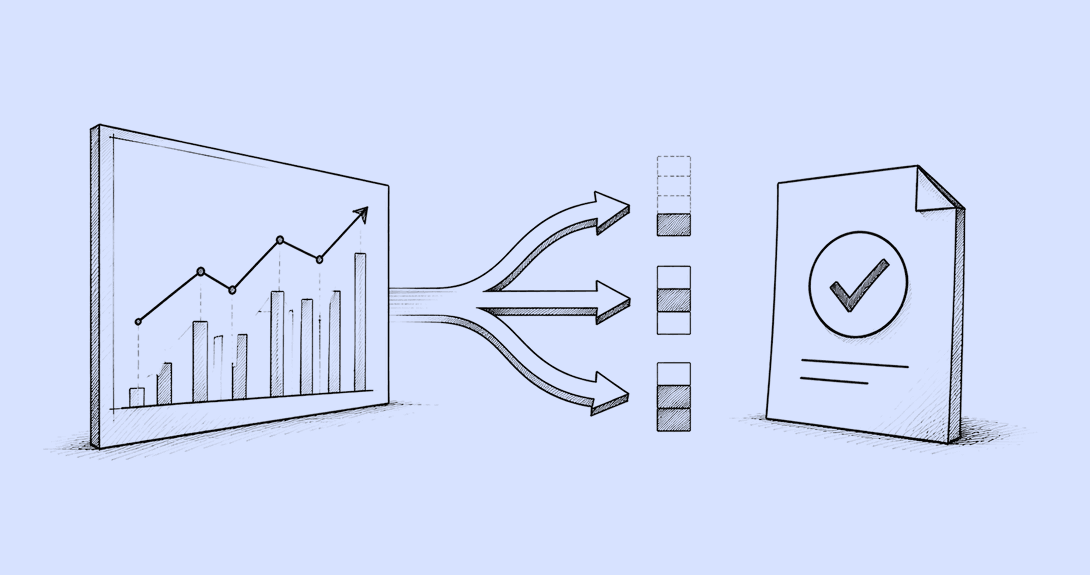
I can tell you three reasons why. One is that in our case it is two solutions built in. There is an agile mix model as well as an automated experimentation platform. We are first to market to integrate these two, and your alternative is to go buy them separately and try to stitch the results together.
[0:19 – 0:37] Tailored Strategies for Success
Next is we know what it takes to make you successful. We can anticipate the kind of questions that you are going to ask. We know how to pay attention to the detail in your data, and we know how to tailor this to your audience, your price point, your promotional strategy, and your seasonality. All of these things need to be accounted for and cannot be ignored.
[0:37 – 0:53] Maximizing Media Plan ROI
Third is the margin of error here is huge. Finding 1% more improvement across your media plan, and that could be a $5 million media plan or a $50 million media plan. When you look at that net value, it quickly outstrips any difference in price between the vendors in this marketplace.
Key Lessons: What to Look for in a Marketing Effectiveness Solution
Integrated technology infrastructure: An agile mix model and an automated experimentation platform in a single environment can prevent the operational headache of trying to stitch together fragmented results from separate vendors.
Customization and precision: Successful marketing effectiveness relies on tailoring strategies to specific variables, including target audience segments, exact price points, promotional tactics, and seasonal trends.
Significant ROI potential: Small percentage improvements in media plan effectiveness can yield massive net value gains. Regardless of whether a company manages a $5 million or $50 million budget, these optimizations quickly surpass any cost differences between competing service providers.