Why Marketing Budget Plans Break

Problem

  • Channel budgets are siloed (per channel).
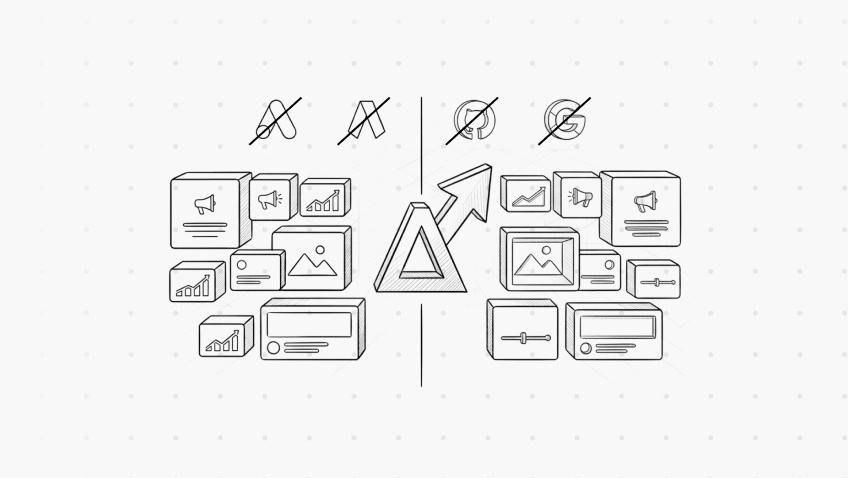
  • ROAS doesn’t reflect saturation and incremental effects.
  • Brand investments are limited when goals are adjusted.

Fix

  • Plan based on a unified set of full-funnel KPIs (brand and performance).
  • Compare scenarios using ranges and constraints.
  • Set guardrails and triggers to replan before performance declines.

Consequence

  • You overfund channels with declining returns.
  • Forecasts are inaccurate since assumptions are not shared.
  • Teams spend the quarter defending instead of improving.

How Full-Funnel Budgeting Works

Define Goals & Constraints

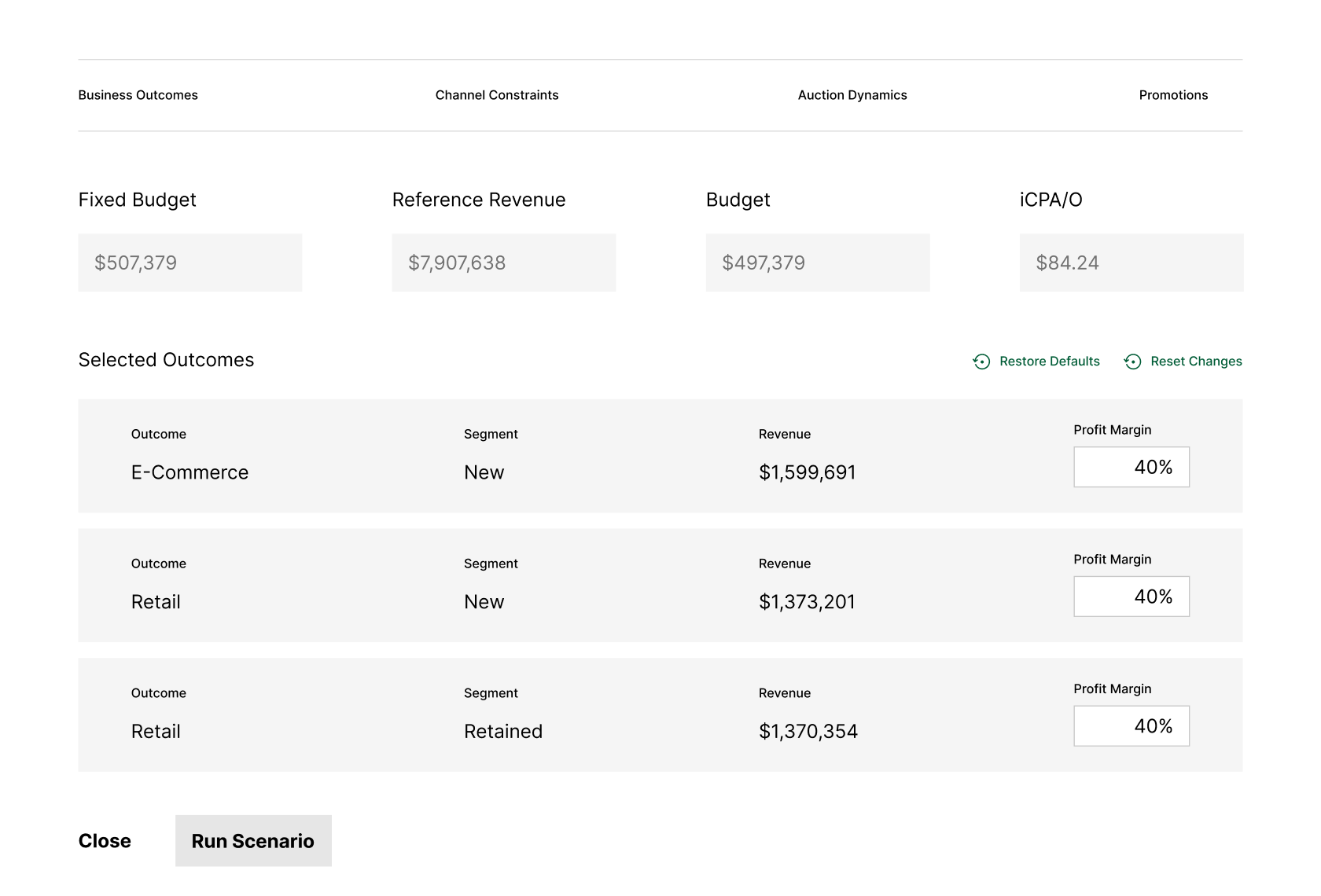
Don't just ask for an "optimal" mix. Input your strict commercial realities, such as pre-committed TV contracts, minimum required spend, and exact profit margins.

Build Dynamic Scenarios

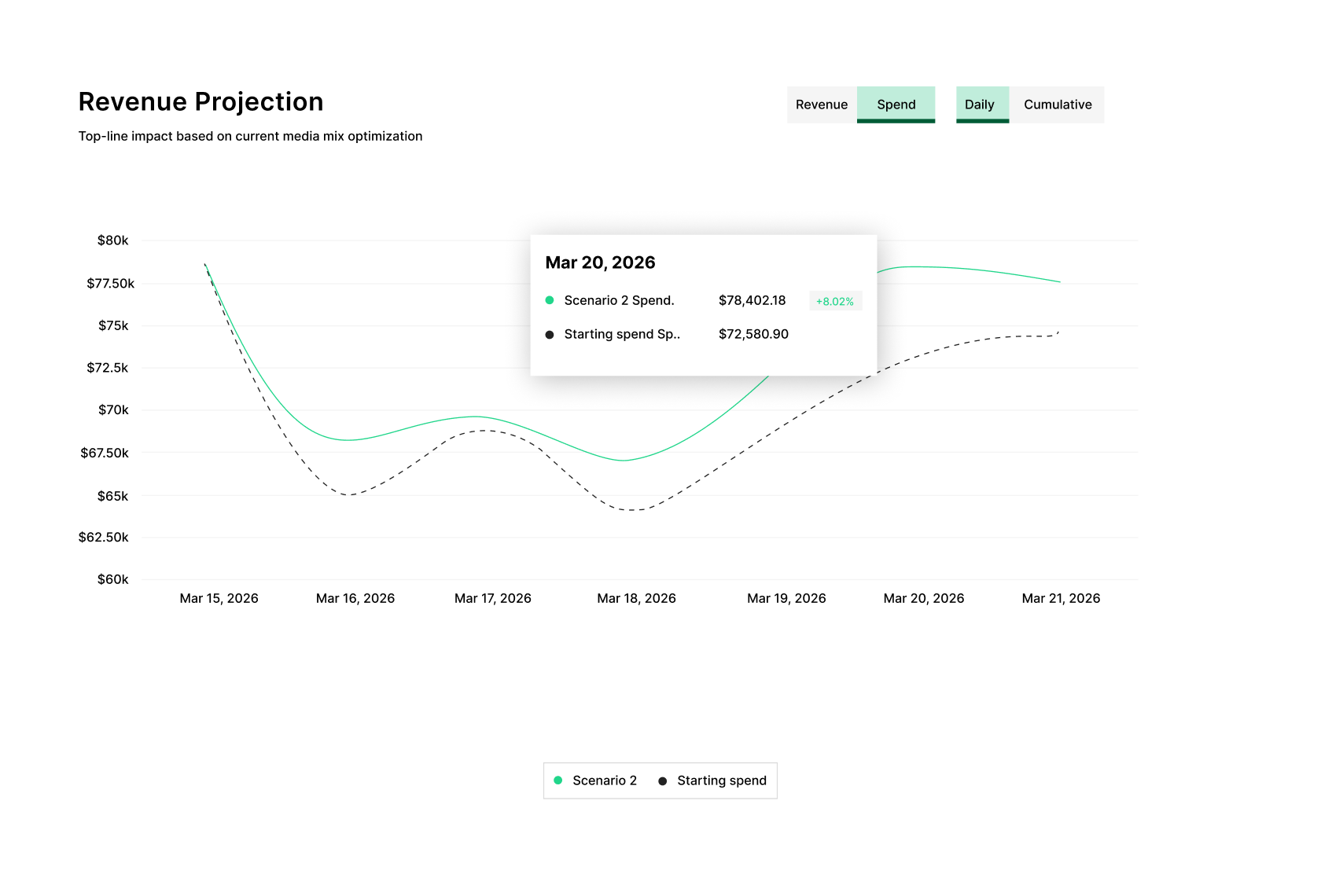
Generate explicit "Conserve, Maintain, or Accelerate" scenarios to visualize the exact trade-offs between short-term efficiency and long-term brand equity.

Commit & Set Triggers

Publish the recommended plan with strict guardrails (e.g., maximum move percentages) and set monitoring triggers (like CAC spikes) so you know exactly when to re-plan.
Budget Planning Outputs

  • Full-Funnel Budget Allocation Table

    Full-Funnel Budget Allocation Table

  • 3-Scenario Budget Pack

    3-Scenario Budget Pack

  • Guardrails and Constraints

    Guardrails and Constraints

Are You Ready To Plan?

Triggers

  • ROAS looks fine, but growth is stalling
  • You can’t explain “what happens if we shift 10%?”
  • Brand spend gets cut first in budget meetings
  • Platforms are volatile, and plans break mid-quarter
  • Teams disagree on which numbers to trust

Readiness

Minimum to start

  • 12–24 months weekly spend by channel
  • One primary outcome KPI (revenue/orders/profit)
  • Promo/seasonality calendar markers

Nice-to-have

  • Offline/store outcomes, pricing, and inventory signals
  • Creative or campaign flighting details
  • Audience changes or major site/app releases

Next Steps: what happens after

  • Align on one decision + KPI (15 minutes)
  • Run scenarios with constraints (1–2 weeks, depending on data)
  • Publish plan + guardrails + monitoring triggers
  • Identify 1–2 tests to improve confidence (next 30–60 days)

Frequently Asked Questions

Standard models build theoretical "optimal" plans in a vacuum. LiftLab ingests your actual business realities, such as minimum channel thresholds, locked TV upfronts, and exact profit margins, so the recommended budget is mathematically optimal and executable by your media buyers.

Related Insightful Assets